Cart
0

If your bike needs to fit into a lift, under an office desk, beside the sofa, and still feel stable on the road, a foldable starts making a lot of sense very quickly. That is why so many riders searching for the best foldable bikes Singapore shops carry are not just comparing looks or price - they are trying to solve a daily transport problem.
A good foldable bike is not simply a small bicycle. It is a commuter tool, a storage-friendly machine, and for many riders, the easiest way to keep cycling practical in a city where space matters. The right choice depends on where you ride, how often you fold it, and whether you want a simple workhorse or something that feels closer to a performance bike.
What makes the best foldable bikes Singapore riders actually enjoy using
The best foldable bikes Singapore commuters tend to keep for years usually get four things right. They fold quickly, roll efficiently, stay dependable in wet and hot conditions, and use parts that are realistic to service and replace.
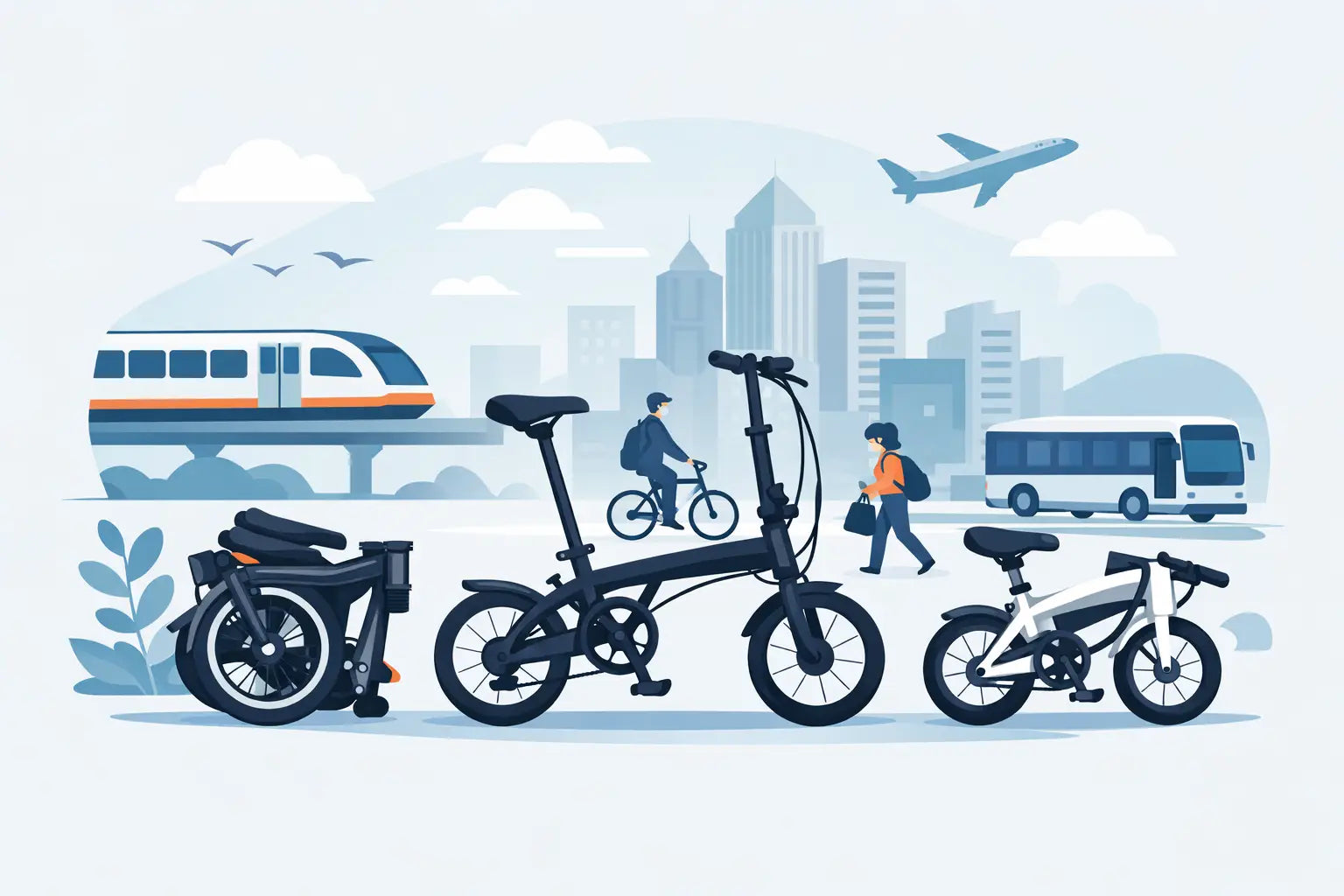
Wheel size matters more than many first-time buyers expect. Smaller wheels often make the folded package more compact, which helps if you need to carry the bike onto public transport or store it in a tight corner. The trade-off is ride feel. Larger wheels usually feel more planted on uneven roads and can hold speed a little more comfortably, but the folded size grows too.
Frame design matters as well. Some foldable bikes focus on compactness above all else, while others are built to feel firmer and sportier when pedalling. If your route is short and mixed with walking, lifts, and train stations, compact folding may be the priority. If you ride longer distances at speed, a stiffer frame and stronger wheelset can make the bike feel far more rewarding.
Then there is the practical side: drivetrain, brakes, tyres, and fit. Shimano components are popular for a reason. They are familiar, reliable, and easier to maintain over time. Tyres from names such as Schwalbe and Continental also matter more than people think, especially when roads are slick after rain. A foldable bike that is professionally set up from day one usually feels better, folds better, and stays trouble-free longer.
10 foldable bike options worth considering
Dahon
Dahon remains one of the easiest brands to recommend if you want proven foldable bike design and broad model choice. Some models focus on simple city use, while others are built for faster commuting and longer recreational rides. For many riders, Dahon hits a strong balance of price, practicality, and parts compatibility.
Tern
Tern is a strong pick if you want a more refined feel and smart commuter-focused details. The folding systems are generally intuitive, and the ride quality often feels reassuringly solid. Tern bikes can cost more, but many riders feel the finish and daily usability justify it.
3Sixty
3Sixty appeals to riders who want a compact format with strong urban practicality. It is often considered by buyers who need a bike that stores neatly and handles short to medium city rides well. Depending on model and setup, it can also be a good platform for customisation.
Fnhon
Fnhon has built a following with riders who want a lively foldable that can be upgraded over time. It suits buyers who enjoy tweaking their bikes and choosing parts that match their riding style. If you like the idea of a foldable with a more enthusiast character, Fnhon is worth a look.
Crius
Crius models are often considered by value-conscious riders who still want decent everyday function. They can make sense as a first foldable bike if your budget is tighter but you still want a practical machine for regular use. The key is to choose a model with sensible specifications and proper setup.
Dahon K-Series style compact models
Ultra-compact options suit riders with very limited storage space. These bikes are especially useful when the fold size matters more than top-end speed. The compromise is that they may feel less relaxed on rougher roads or longer rides.
Tern commuter-focused models
Some Tern bikes are built specifically around urban commuting comfort, with geometry and fittings that feel friendly for daily use. These tend to work well for riders who prioritise confidence, stable handling, and fuss-free transport over chasing the lightest possible build.
Dahon speed-oriented models
If you want your foldable to feel less like a compromise, Dahon’s sportier models deserve attention. These are better suited to riders who use their bike for fitness rides as well as commuting. They usually reward smoother pedalling and longer distances.
3Sixty upgrade-ready builds
For riders who care about style and custom parts, 3Sixty can be an attractive option. LitePro upgrades and other component swaps are common in this part of the market. Just remember that customisation can raise the total cost very quickly.
Fnhon enthusiast builds
A well-built Fnhon can feel sharp, quick, and personal. This route suits riders who already know what they like in terms of gearing, cockpit setup, and wheel feel. It is less about buying the cheapest package and more about building a bike you want to keep riding.
How to choose the right foldable bike for your routine
If your weekday journey includes train stations, office lifts, and carrying the bike up a few steps, prioritise compact folding and manageable weight. You will notice those traits every day. A slightly slower bike that is easy to fold and move may serve you better than a faster model that becomes annoying indoors.
If you mostly ride from home to work without needing to carry the bike often, ride feel should move higher up the list. A foldable with better stiffness, stronger tyres, and smoother gearing can make the whole experience more enjoyable. That matters if you plan to ride often rather than leave the bike parked after the novelty wears off.
For weekend riders, there is another angle. Some foldables are genuinely enjoyable for park connectors and longer casual spins, while others feel best kept to short utility trips. Be honest about your use. Buying purely for compactness can backfire if you really want a bike that encourages longer rides.
Specs that matter more than marketing
Gearing should match your route. If your rides are mostly flat, you may not need a complicated drivetrain. If you carry bags, cover longer distances, or prefer a wider cadence range, more gears can make the ride less tiring. Shimano drivetrains remain a sensible choice because they are familiar to mechanics and straightforward to support.
Tyres deserve proper attention. Schwalbe and Continental options are popular because they balance rolling speed, grip, and puncture resistance well. In city riding, a tyre that avoids punctures and feels predictable in wet weather is usually worth more than one that only saves a bit of weight.
Brakes are not the place to cut corners. Reliable stopping power matters even more on smaller-wheeled bikes, particularly in busy traffic or after rain. Disc brakes can offer strong control, but good rim brakes can still perform well when set up correctly. It depends on the model, your budget, and how much maintenance simplicity matters to you.
Price, value, and where buyers get it wrong
A cheap foldable bike can look attractive at first, especially online. The problem is that poor hinges, weak wheel builds, and inconsistent setup show up later. Folding becomes awkward, the bike develops play, and small issues start to stack up.
On the other hand, spending more does not always mean buying the right bike. Some riders pay for premium features they never use. If your needs are basic commuting and easy storage, a reliable mid-range model can be the smarter buy than a high-end enthusiast build.
Real value comes from matching the bike to your routine and buying from a shop that can support setup, adjustments, and servicing. That matters with foldables because alignment, hinge checks, brake tuning, and drivetrain adjustment all affect daily use.
Why after-sales support matters with foldables
A foldable bike has more moving parts and locking points than a standard commuter bicycle. That does not make it fragile, but it does make proper assembly and periodic checks more important. A bike that has been professionally prepared usually feels tighter, safer, and easier to live with.
That is also why buying from a local specialist can be worth it. If you are comparing foldable bike brands such as Dahon, Tern, 3Sixty, Fnhon, and Crius, having someone explain fit, wheel size, and long-term maintenance can save you from buying on guesswork. At Gcycle, the focus is not just getting a bike out the door - it is helping riders choose a model that still feels right after months of commuting and weekend use.
So which foldable bike is best?
The best choice is the one you will actually want to fold, carry, store, and ride regularly. For many buyers, that means a dependable Dahon or Tern. For others, it may be a 3Sixty, Fnhon, or Crius that better fits the budget or customisation plan.
Start with your route, your storage space, and how often the bike will be folded. Once those basics are clear, the shortlist usually becomes much easier. Buy for the ride you really do, not the one you imagine, and your foldable will earn its place very quickly.