Cart
0
You can feel it the first time you try to buy a bike in Singapore - the choices look endless, but the right choice is very personal. The wrong frame size turns every ride into a shoulder workout. The wrong bike category turns your “quick spins” into constant compromises. A good bicycle shop in Singapore doesn’t just sell you a bike. It sets you up for the next 12 months of riding with the right fit, the right parts, and a service plan that keeps your momentum.
What to expect from a great bicycle shop in Singapore
Singapore riders tend to want two things that don’t always show up together: convenience and credibility. You want to browse fast, compare specs without guesswork, and check out without chasing a quote. But you also want real support - someone who understands why Shimano 105 feels different from Tiagra, why tubeless tires change the way you corner, and why your saddle height matters more than your brand loyalty.
A strong shop experience usually has two lanes that work together: a clean online storefront for shopping speed, and a physical location for fit, pickup, and service. Online-only can be fine if you already know your size and you’re comfortable dialing in the setup yourself. But if you’re buying your first “real” bike, stepping up to carbon, or moving into gravel, having a shop that can back the sale with actual service is where confidence comes from.
Start with your ride style, not the hype
The fastest way to overpay or underbuy is to choose a bike based on what looks cool in a product photo. Instead, anchor on where you’ll ride most weeks. In Singapore, the common patterns are pretty consistent.
Road bikes: for speed, structure, and performance upgrades
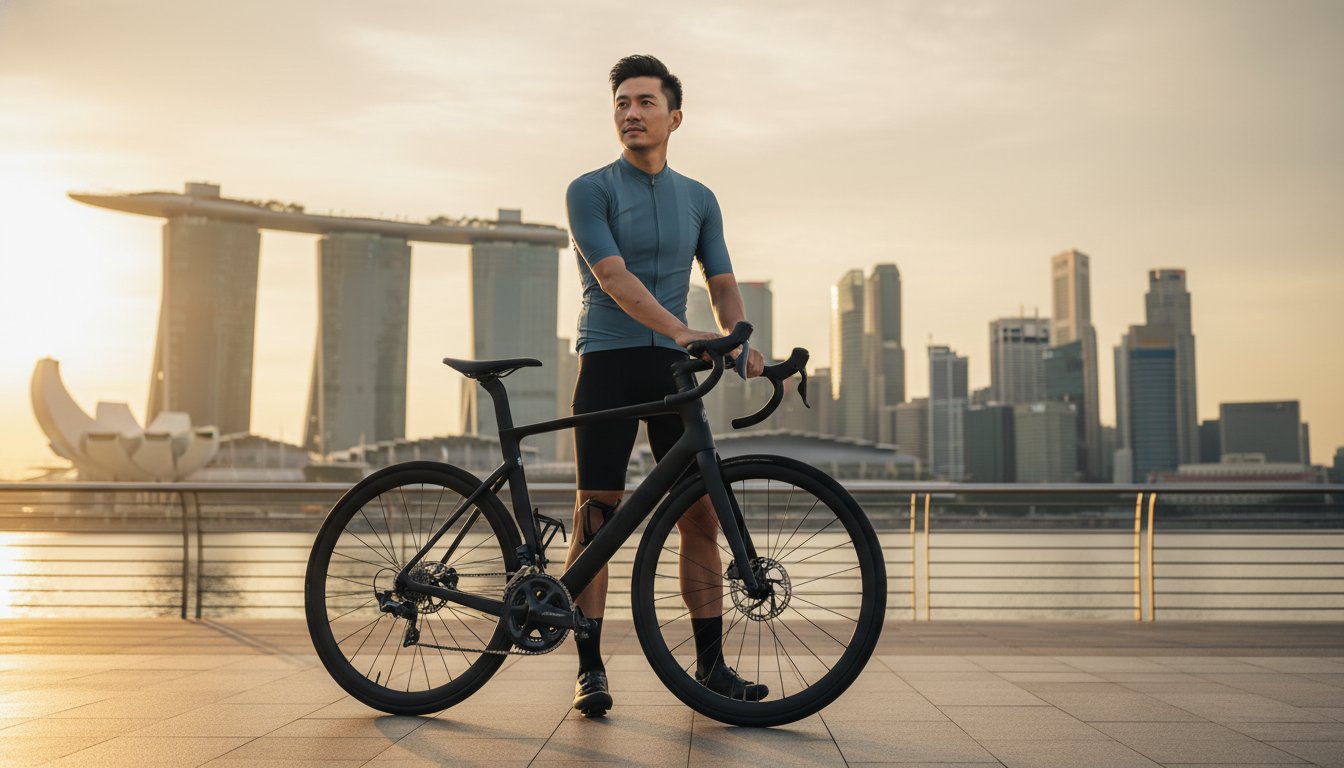
If your rides are built around distance, pacing, and that clean feeling of rolling fast, road is home. Road bikes reward fitness and good positioning. They also make upgrades feel meaningful - better wheels, better tires, and a higher-tier drivetrain can genuinely change how the bike responds.
Trade-off: road geometry can feel aggressive if your flexibility or core strength isn’t there yet. The “fast” posture is real, and so is the difference between a frame that fits and one that doesn’t.
Gravel bikes: the all-condition, all-weekend weapon
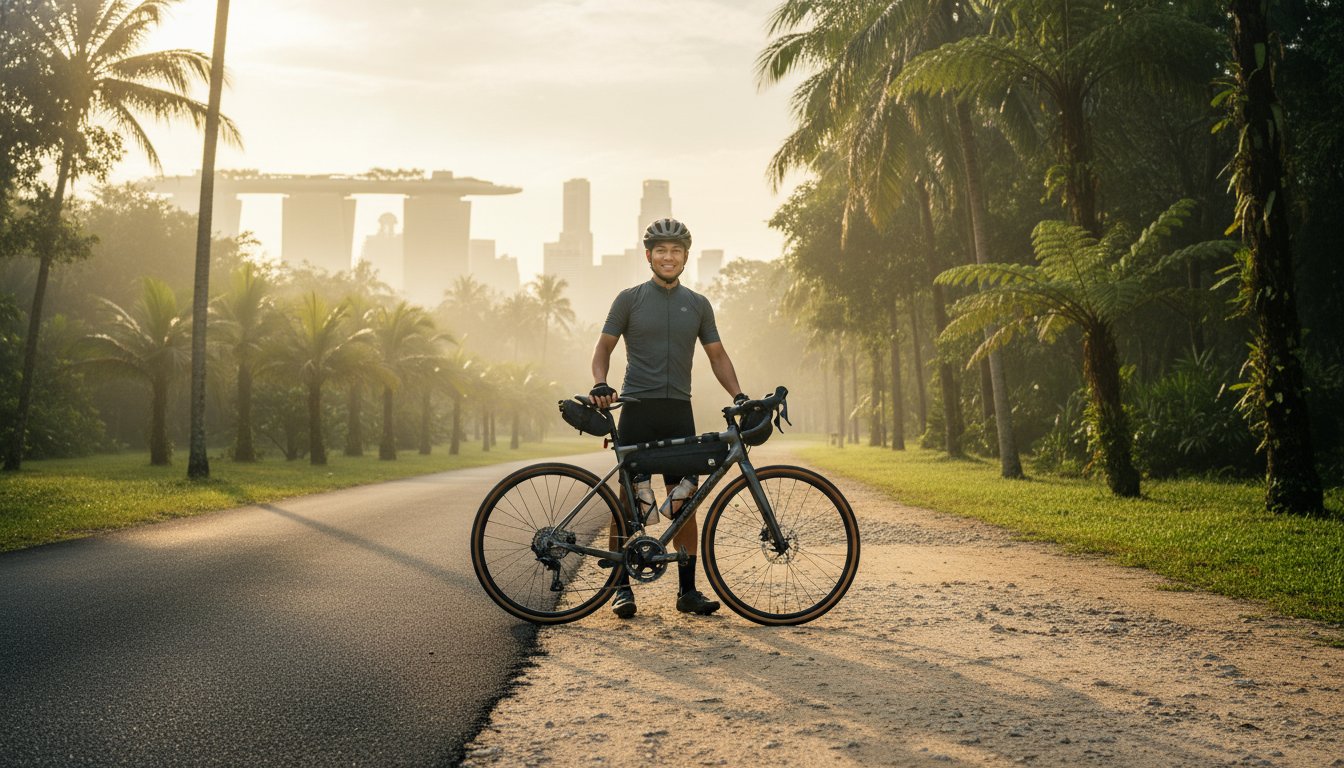
Gravel is the category for riders who want one bike that can do a lot. Wider tire clearance means more comfort. Mixed-surface capability means you don’t have to plan your route like a lawyer. And the component landscape (think Shimano GRX builds) is mature enough now that gravel bikes are not “road bikes with chunky tires” - they’re purpose-built.
Trade-off: a gravel bike can feel slightly less snappy than a pure road bike at the same price. The versatility is the point, but if you live for high-speed group riding, you’ll notice the difference.
Foldable bikes: the Singapore commuter classic
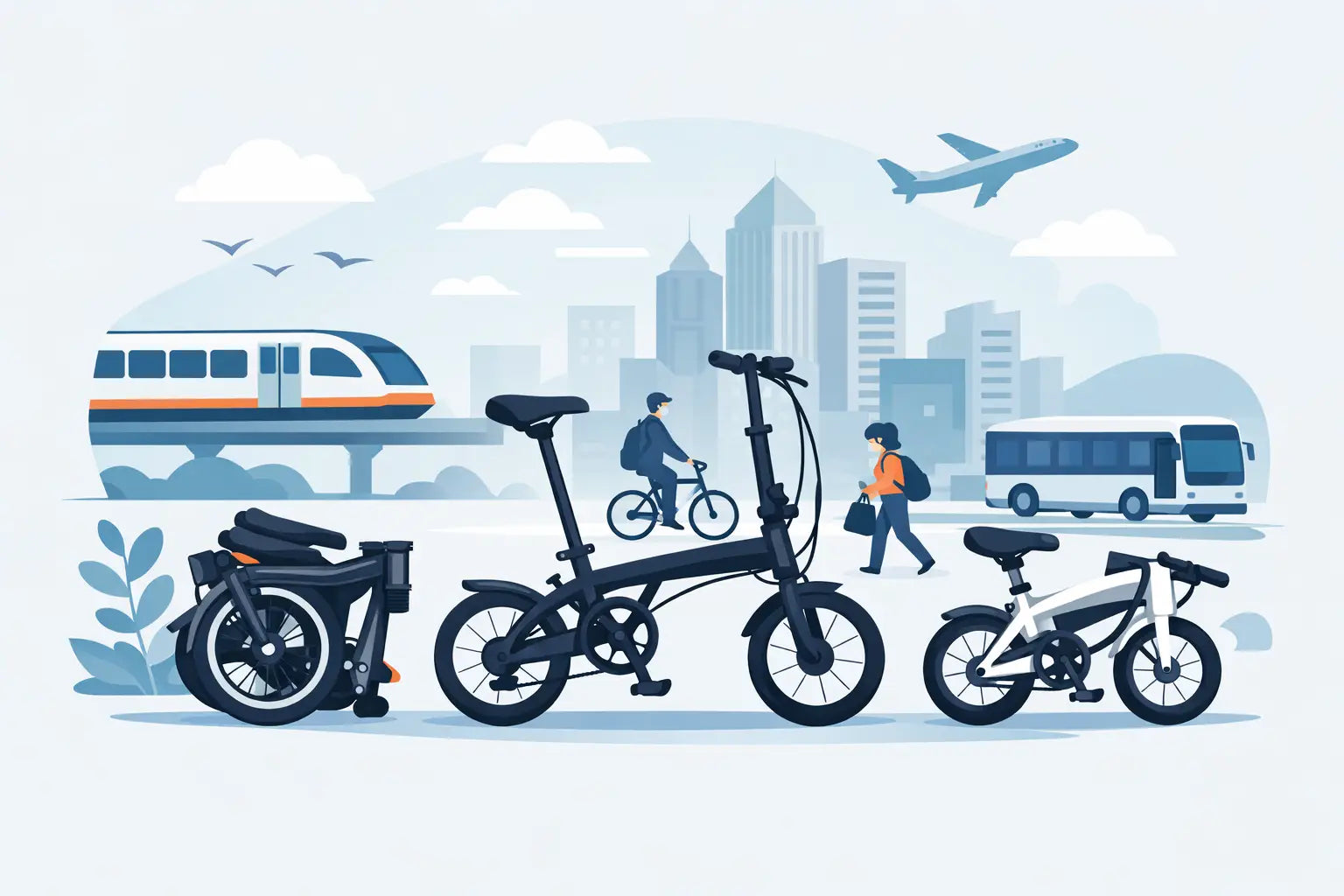
Foldables win when storage, transit connections, and daily practicality matter. They’re a smart play for mixed-mode commutes and apartment living, and they’re often the easiest way to build a consistent riding habit because they remove friction. If you’re riding to MRT, keeping a bike in the office, or you want a bike that fits your life without negotiation, foldable is the move.
Trade-off: smaller wheels feel different. Stability and speed are absolutely achievable, but you’ll ride with a slightly different rhythm, and very long rides can feel less natural than on full-size frames.
Mountain bikes: for trail control and comfort-first geometry
If you’re prioritizing stability, confidence on rough ground, and an upright position, mountain bikes bring comfort and control. Suspension can be a game-changer if you ride uneven paths or want maximum forgiveness.
Trade-off: on pavement, that same suspension and tire tread can feel slower. If 90 percent of your riding is smooth roads and connectors, a hybrid or gravel bike might feel more efficient.
Hybrid bikes: the quiet MVP
Hybrids are built for riders who want a straightforward, comfortable bike that handles commuting and fitness rides without drama. They’re often the best answer for “I just want to ride more” because they’re forgiving, easy to handle, and simple to maintain.
Trade-off: if you catch the speed bug, you may outgrow a hybrid faster than you’d outgrow a road or gravel setup.
The fit question: where most buyers win or lose
Fit is the part nobody wants to think about until their hands go numb. The best bicycle shop Singapore riders return to is usually the one that treats sizing like a first-class feature, not a footnote.
Frame size is the headline, but it’s not the whole story. Two riders can be the same height and need different setups because inseam length, torso length, and flexibility change everything. Handlebar width, stem length, and saddle position can turn a “close enough” bike into a bike you can ride for hours.
If you’re shopping online, look for clear sizing guidance and real support channels. A shop that’s confident will help you choose the right size before you buy, because it reduces returns and increases happy riders. If you’re between sizes, it depends: sizing down can feel more agile, sizing up can feel more stable, and your riding goals should decide the direction.
Components that actually matter in daily riding
It’s easy to get lost comparing spec sheets. Focus on the components that change your experience most.
Drivetrain level: where shifting quality meets value
Shimano is a common reference point for good reason. For road, Shimano 105 is a sweet spot for performance and durability. For gravel, Shimano GRX brings gearing and ergonomics designed for mixed conditions. Electronic shifting like Di2 is a premium experience - crisp, consistent, and satisfying - but it’s not required to ride fast or enjoy your bike.
The real question is your use case. If you ride often, in all weather, and you care about shifting feel under load, better groupsets feel worth it. If you’re riding casually or mostly flat routes, you may prefer to put budget into touch points (saddle, tires) and safety (lights, helmet) first.
Tires: the highest impact upgrade per dollar
Tires are where your bike meets Singapore’s road texture, connectors, and wet patches. Recognized tire brands like Continental and Schwalbe have earned their reputation because their compounds and casings deliver grip and puncture protection without feeling dead.
Wider tires at appropriate pressure are not “slow” in the way people assume. They can be faster in real-world conditions because they reduce fatigue and maintain traction. If your shop can guide you on width and pressure based on your weight and riding style, you’ll feel the difference immediately.
Brakes: confidence is a feature
Disc brakes have become the go-to because they’re consistent in wet conditions. Rim brakes can still be perfectly fine for many riders, especially on value-oriented builds, but if your routes include heavy rain season rides or you prefer maximum braking control, discs are the safer long-term bet.
Service and support: the part you’ll care about later
Most bikes don’t need complicated maintenance, but they do need regular attention. A reliable shop should make servicing feel normal, not intimidating. Expect routine tuning, brake adjustments, drivetrain cleaning, and help diagnosing the noises that show up after your first few hundred kilometers.
If you’re buying a performance bike, ask about post-purchase support. Cables stretch, bolts settle, and new bikes often benefit from a check after the initial break-in period. A shop that has a real service lane protects your investment - especially if you’re buying carbon, upgrading components, or riding frequently.
Online vs physical: the best answer is usually both
Singapore riders love convenience, and ecommerce makes sense. But pure speed isn’t the only metric. The winning setup is an online shop that makes browsing and buying easy, backed by a physical location that handles the real-world details - fit confirmation, assembly confidence, and servicing.
If you already know your numbers and you’re upgrading from a bike you’ve dialed in, online purchasing can be incredibly efficient. If you’re new, returning after a long break, or switching categories (like moving from foldable to road), having a shop that can guide you before and after checkout is what keeps the experience fun.
If you want a one-stop destination that covers road, gravel, foldable, mountain, and hybrid categories with recognized components and a service backbone, you can browse Gcycle and shop by ride style with sizing support built into the buying process.
How to walk into a shop (or a product page) like you know what you’re doing
You don’t need to be an expert, but you should show up with three decisions in your pocket: your primary use, your budget range, and your non-negotiables.
Primary use is your weekly reality, not your dream scenario. Budget range should include the basics you’ll actually need to ride safely - helmet, lights if you ride early or late, and a lock if you’ll park outside. Non-negotiables can be simple: “must be comfortable for 60-90 minutes,” “must fit in my apartment,” or “must be fast enough to keep up with friends.”
From there, let the shop earn your trust. A confident retailer won’t push you into the most expensive option. They’ll explain trade-offs clearly: why a carbon frame might feel sharper but costs more, why a foldable is practical but different at speed, and why tire choice can matter more than a flashy groupset for your routes.
If you feel rushed, if sizing is treated like an afterthought, or if the service conversation is vague, that’s a signal. The best bicycle shop experience in Singapore feels like momentum - clear options, direct answers, and a setup that makes you want to ride the moment you roll out.
Your next bike doesn’t need to be perfect. It needs to be the one you’ll actually ride this week, next month, and six months from now - because consistency is where fitness, confidence, and speed come from.