Cart
0

You feel it within the first few minutes of a test ride. One bike puts you in a more upright, relaxed position and makes traffic lights, rough paths and casual spins feel easy. The other feels quicker, sharper and more eager to carry speed. That is the real question in the hybrid bike vs road bike debate - not which one is better on paper, but which one suits the way you actually ride.
If you are buying your first proper bike, upgrading from a basic commuter, or trying to decide whether your next ride should lean towards fitness or practicality, this choice matters. Get it right and you will ride more often. Get it wrong and the bike may spend more time parked than moving.
Hybrid bike vs road bike: the main difference
A hybrid bike is built to balance comfort, control and everyday usefulness. A road bike is built to prioritise efficiency, speed and longer efforts on tarmac. That sounds simple, but the details explain why each bike feels so different.
Hybrids usually come with a flat handlebar, a more upright riding position, wider tyres and geometry that feels stable at lower speeds. They are often the easier bike to live with if your rides include pavements, park connectors, kerbs, stop-start traffic or a backpack on your shoulders.
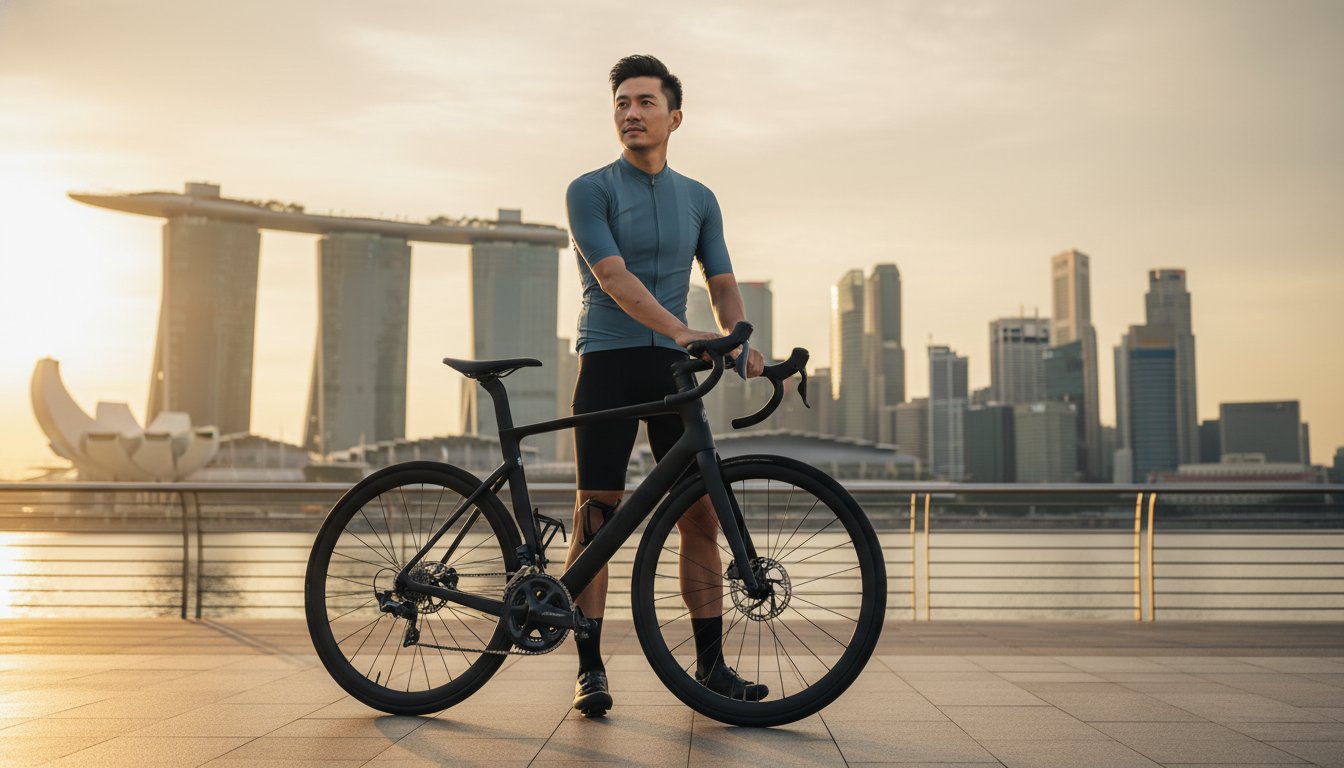
Road bikes use drop handlebars, narrower tyres and a stretched riding position that helps you cut through the wind and transfer power efficiently. They tend to feel more responsive when you accelerate, climb or hold speed over distance. If your idea of a good ride is covering more ground with less drag, the road bike starts to make sense very quickly.
Comfort and riding position
For many riders, comfort decides the winner before speed even enters the conversation.
A hybrid bike usually feels more natural straight away. The upright posture puts less weight through your hands and shoulders, gives you a clear view of the road ahead and can feel less intimidating if you are still building confidence. In urban riding, that extra visibility and control is a real advantage.
A road bike asks more from your body at first. The lower position can put more pressure on your hands, neck and lower back if the fit is wrong or your flexibility is limited. But a properly fitted road bike is not meant to feel punishing. In fact, for longer steady rides, many riders find the multiple hand positions on drop bars more comfortable than a flat bar.
This is where honest self-assessment matters. If you mostly ride short to medium distances and want a bike that feels easy from day one, hybrid bikes have the edge. If you are prepared to adapt to a sportier position because you want better efficiency and pace, a road bike may reward you more over time.
Speed and efficiency
This is the section where road bikes pull ahead.
Road bikes are generally faster because they combine lighter overall builds, more aerodynamic positions and tyres designed to roll quickly on smooth roads. Once you are up to speed, they tend to hold momentum better. On fitness rides, weekend group rides or longer road routes, that efficiency adds up.
Hybrid bikes are not slow, but they are usually slower for the same rider effort. Wider tyres create more rolling resistance, the upright position catches more wind, and the geometry is geared more towards control than outright pace. For commuting, leisure rides and steady cardio sessions, that trade-off is often perfectly acceptable.
The key is not to overvalue speed if speed is not your real goal. Plenty of riders buy road bikes because they like the idea of going fast, then realise most of their cycling involves short errands, canal paths or relaxed social rides. In that case, the hybrid often delivers a better ownership experience.
Handling in everyday conditions
Road bikes shine on smooth, open roads. Hybrid bikes tend to be more forgiving when the surface is less perfect.
If your route includes patched tarmac, drain covers, tight turns, shared paths or the occasional uneven section, a hybrid bike generally feels more planted and less fussy. The wider tyres help absorb vibration, and the steering often feels calmer at everyday speeds.
Road bikes can still handle poor surfaces, especially modern models with wider tyre clearance, but they usually feel best when the road is clean and predictable. In crowded urban environments, some riders also prefer the immediate control of a flat bar over drop handlebars.
For Singapore-style riding conditions, where commutes can involve mixed surfaces, frequent stops and humid weather, the practical strengths of a hybrid are easy to appreciate. If your rides are mainly on open roads and you enjoy pushing the pace, the road bike remains the more focused tool.
Commuting, fitness and weekend use
The easiest way to choose between a hybrid bike and a road bike is to think about your most common ride, not your occasional one.
If your bike will be used for commuting, short fitness spins, errands and general recreation, a hybrid bike is usually the safer choice. It is easier to mount accessories, often feels more stable with a bag or pannier, and suits normal clothes better than an aggressive road setup.
If your main goal is fitness, longer weekend miles or training with stronger riders, a road bike will probably keep you happier. It encourages a more efficient cadence, feels livelier under power and offers more room to grow if your interest in cycling becomes more serious.
There is also a middle ground. Some riders start on a hybrid, build consistency and confidence, then move to a road bike once they know they enjoy longer and faster rides. Others try a road bike first, then decide they actually want something more relaxed for daily use. Neither path is wrong.
Maintenance, upgrades and cost
Cost is not just the purchase price. It is also what the bike asks from you over time.
Hybrid bikes are often more affordable at entry level and can represent strong value for newer riders. They are simple to use, and many owners appreciate the lower-pressure, less performance-driven feel of ownership. If you want dependable transport and steady weekend riding, that simplicity matters.
Road bikes can become expensive quickly, especially once you move into lighter frames, carbon parts and higher-tier groupsets such as Shimano 105 or Ultegra. They can also tempt riders into chasing upgrades. That is not a bad thing if you enjoy the enthusiast side of cycling, but it is worth being realistic about your budget.
Tyres, drivetrain wear and brake setup matter on both categories, and proper servicing makes a bigger difference than many buyers expect. A well-set-up hybrid can feel far better than a poorly assembled road bike. That is why buying from a shop that can advise on sizing, setup and after-sales support matters as much as the bike category itself.
Which rider should choose a hybrid bike?
Choose a hybrid if you want one bike that handles daily life well. It suits riders who prioritise comfort, confidence and versatility over outright speed. It is also a sensible choice if you are returning to cycling after a long break and want something approachable rather than highly strung.
A hybrid makes particular sense if your rides are usually under an hour, your route includes rougher surfaces, or you want to fit mudguards, lights and practical accessories without fuss. For many people, that is the bike that gets ridden most often.
Which rider should choose a road bike?
Choose a road bike if you are drawn to speed, distance and the feeling of a bike that responds sharply when you push harder. It is the right fit for riders who want to improve fitness, cover longer road routes efficiently and enjoy a more performance-led experience.
It also suits cyclists who know they are likely to become more invested in the sport. If you already compare frame materials, tyre widths and Shimano groupsets, you are probably leaning road for a reason.
The best choice is the one you will keep riding
The hybrid bike vs road bike decision is really about matching the bike to your routine, your body and your goals. A road bike can be exciting, but excitement fades if the position never feels right. A hybrid can be practical, but practicality may feel limiting if you are constantly chasing speed.
If possible, test both. Pay attention to how each bike feels when starting, stopping, turning and settling into a steady pace. If you need help narrowing it down, a shop such as Gcycle can guide you through sizing, setup and the small details that make a big difference once the bike is yours.
Buy for the riding you will do next week, not the riding you imagine once in a while. That usually leads to the right answer - and to far more time spent in the saddle.