Cart
0
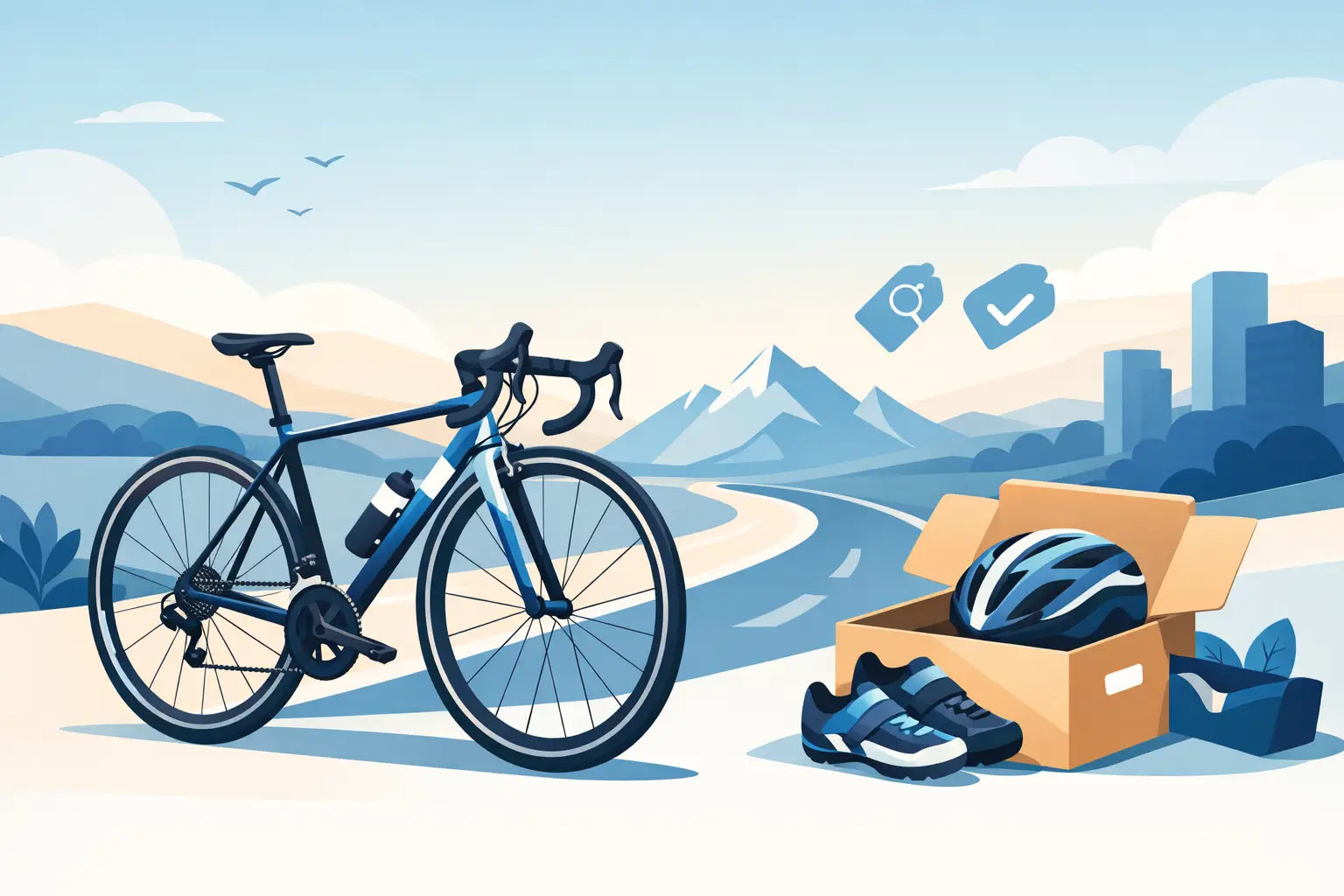
A road bike at this price can either feel like your smartest cycling purchase of the year or the bike you outgrow in six months. That is why choosing the best road bike under 1500 is less about chasing the flashiest frame and more about getting the right mix of fit, gearing, brakes and upgrade potential.
For most riders, £1500 sits in a very useful part of the market. It is high enough to get a proper performance-oriented bike from an established brand, but still low enough that compromises are unavoidable. The trick is knowing which compromises are acceptable and which ones will annoy you every time you ride.
What the best road bike under 1500 should actually give you
At this level, a good road bike should feel quick, predictable and easy to live with. It should not merely look sporty in photos. You want a frame with sensible geometry, reliable shifting, wheels that stay true, and finishing kit that does not need replacing straight away.
In practical terms, most bikes under £1500 will come with an aluminium frame and a carbon fork. That is normal, and often preferable to a cheaper carbon frame built to hit a headline price. A well-made aluminium road bike can be lively, durable and easier to maintain over the long term.
Groupset specification matters, but not in isolation. Riders often fixate on whether a bike has Shimano Tiagra or Shimano 105, yet the overall build matters just as much. A bike with a balanced spec and decent tyres can ride better than one with a more glamorous rear derailleur but weak wheels, heavy cockpit parts and generic rubber.
Disc brakes are now common in this bracket, and for many riders they make sense. They offer stronger braking in wet weather and generally inspire more confidence on descents. Rim brakes can still be lighter, simpler and cheaper to maintain, but they are becoming less common on new bikes. If you ride mainly in dry conditions and want maximum value, rim brake stock can still be worth a look. If you want broader tyre clearance and easier all-weather use, disc is the safer bet.
How to judge value instead of just the badge
The best buying decision usually comes from reading the full spec sheet, not the down tube logo. Well-known brands such as Giant and Merida often offer strong value because they build at scale and tend to get the basics right. Brands like Java and Sava can also appeal to riders chasing aggressive pricing or carbon-focused options, but the real question is whether the complete package suits your riding.
Look closely at the frame material, fork, drivetrain range, brake type and wheelset. If a bike advertises one standout feature, ask what had to be downgraded elsewhere. Sometimes that means a carbon frame paired with entry-level mechanical parts. Sometimes it means good gears but notably heavy wheels. Neither is automatically a bad choice, but you should know what you are paying for.
A sensible road bike under £1500 should also leave room for you to improve it later. Tyres, saddle, bar tape and even wheels are common upgrades. If the frame fits well and the core build is solid, those changes can make the bike feel far more expensive than it is.
Aluminium, carbon and the truth about frame material
Many first-time buyers assume carbon is always better. It is not that simple. Under £1500, aluminium often gives you better overall value because more of the budget can go into reliable components and quality control.
A carbon frame at this price can still be a good option, especially from brands known for accessible carbon models, but it depends on priorities. If the frame is your long-term platform and you are happy to upgrade wheels or drivetrain parts later, a well-priced carbon bike may make sense. If you want the best ride straight out of the box, a sharp aluminium frame with a carbon fork is often the smarter purchase.
For urban riding, weekend training loops and local climbs, both materials can work very well. Comfort comes from more than frame material anyway. Tyre width, pressure, saddle choice and bike fit usually affect ride quality more than marketing claims about stiffness or speed.
The spec points that matter most
Gearing for real-world riding
Do not buy a race-style gear ratio just because it sounds fast. If you are newer to road cycling, a compact chainset with an 11-30, 11-32 or even wider cassette can make climbs far more manageable. That matters if you want to build fitness rather than grind through every ascent.
For flatter routes, tighter gearing can feel smoother, but there is no prize for making your rides harder than necessary. A bike that encourages you to ride more often is the better bike.
Shimano tiers and what to expect
At under £1500, Shimano Sora, Tiagra and sometimes 105 are the usual territory. Sora can still be dependable for entry-level road riding. Tiagra is often the sweet spot, offering strong reliability and a more refined shifting feel. Shimano 105 is attractive because it has long been seen as the enthusiast benchmark, but it may appear on discounted older models or builds where money was saved elsewhere.
If you are comparing two bikes, do not assume one is automatically better because of a higher-tier rear mech. Check the crankset, cassette, brake calipers and shifters too. Mixed groupsets are common.
Tyres and wheels deserve more attention
Tyres are one of the easiest ways to change how a bike feels. A road bike with decent Continental or Schwalbe tyres will often roll faster, corner better and feel more confident than one fitted with very basic stock rubber. Wheel quality also shapes acceleration and ride feel, though at this budget most complete bikes come with serviceable rather than exciting wheels.
That is acceptable. Reliable stock wheels are fine for training, commuting and weekend rides. You can always upgrade later once you know what kind of riding you actually enjoy.
Which type of rider should buy what
If you are buying your first proper road bike, prioritise stability, comfort and forgiving gearing. A bike with endurance-style geometry, disc brakes and clearance for slightly wider tyres will be easier to enjoy from day one. It may not look as aggressive as a race bike, but it will probably keep you riding longer.
If you already ride regularly and want a quicker machine for club rides or longer training sessions, a lighter build with sharper handling may be worth it. Here, a stiffer frame and cleaner drivetrain spec matter more. You might accept firmer ride quality in exchange for a more responsive feel.
If your road bike also needs to handle rougher surfaces, patchy tarmac or everyday use, a little versatility goes a long way. The fastest-looking bike is not always the best value if your local roads are poor and you need practical tyre clearance.
Best road bike under 1500 - common mistakes to avoid
The first mistake is buying the wrong size because the discount looks too good to ignore. A badly fitting bike will never feel right, and adjusting stems or saddles can only do so much. Proper sizing and setup matter more than one extra level of groupset.
The second mistake is overspending on the frame and underspending on the rest of the bike. A flashy material or race-inspired silhouette can distract from average components. Ride quality comes from the whole package.
The third mistake is forgetting service support. Even a very good bike needs routine adjustment after the first few rides, especially as cables bed in and bolts settle. Buying from a shop that can help with setup, safety checks and after-sales servicing is often worth more than a small saving on paper. That is especially relevant if you are comparing bikes online and are unsure about fit.
How to narrow your shortlist with confidence
Start with your riding pattern. If you want fitness rides, weekend speed and occasional longer distances, focus on endurance road bikes with Shimano Tiagra or similar-level builds. If your goal is sharper performance and you are comfortable with a firmer position, compare lighter all-round road models from reliable brands.
Then compare three things side by side: fit, brake type and gearing. Those will affect your riding experience more immediately than small headline differences in weight. After that, check wheel quality, tyre brand and whether the bike uses standard parts that are easy to replace.
If you are shopping in a market with hot weather, regular rain and mixed road surfaces, practical details matter even more. Heat, stop-start traffic and wet roads reward stable handling, dependable braking and a setup that does not punish you after an hour in the saddle.
For riders who want a straightforward place to compare value-driven options, recognised brands and support on sizing, Gcycle offers that one-stop approach through both online browsing and in-store guidance at https://gcyclesg.com.
A good road bike under £1500 should make you want to ride again tomorrow. If it fits properly, shifts cleanly and suits the roads you actually use, you are already much closer to the right choice than someone buying on frame material alone.