Cart
0
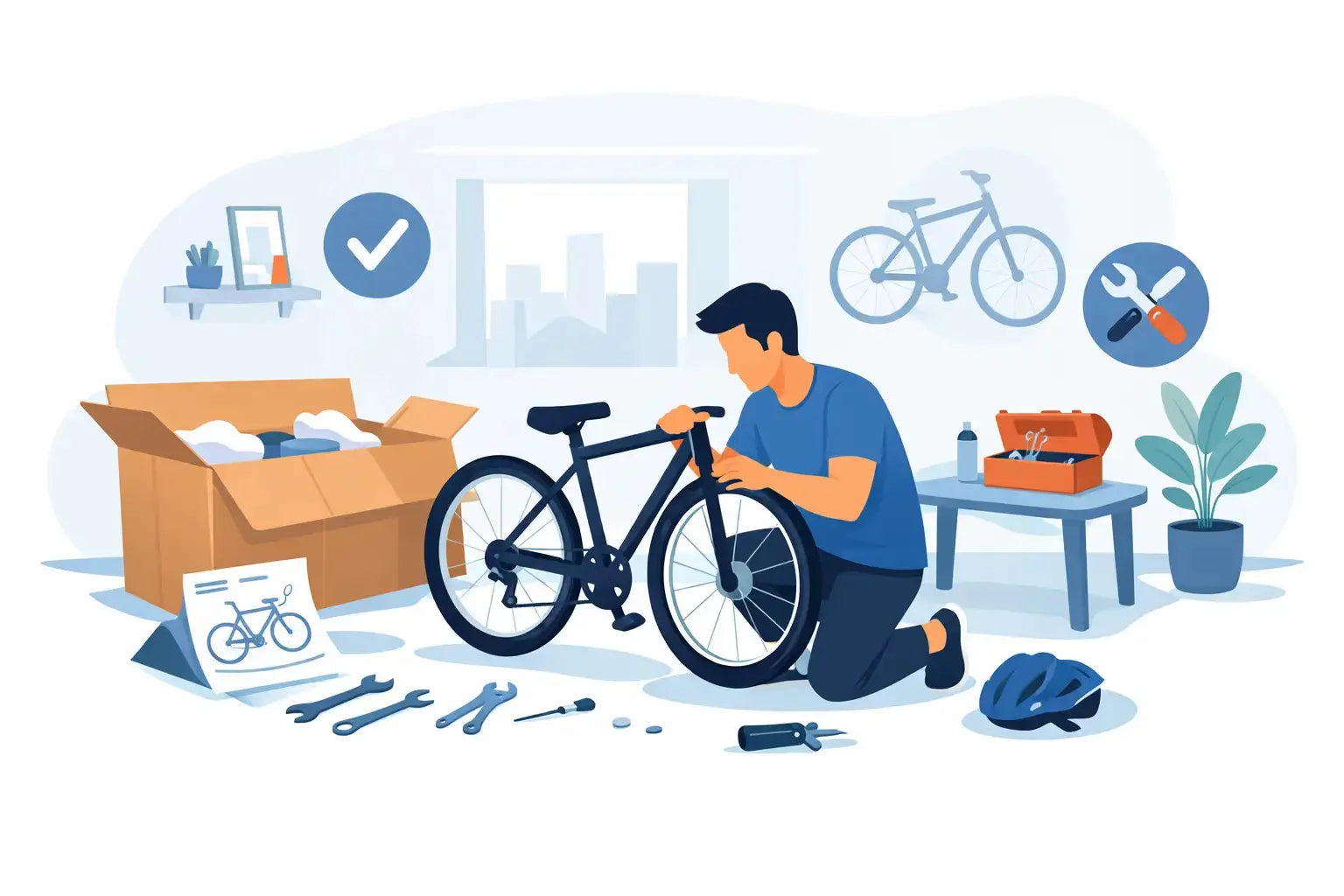
The box has arrived, the frame looks sharp, and now the question starts immediately - how much bike assembly after delivery is actually left to do?
That depends on the bike, the way it was packed, and whether the shop completed a pre-delivery build before shipping. Some bikes arrive with only the front wheel, pedals and handlebars needing attention. Others need a bit more care before they are ready for the road. Either way, this is not the stage to rush. A bike can look finished and still need a few critical checks before the first ride.
For new riders, that can feel intimidating. For experienced cyclists, it is mostly about being methodical. The goal is simple: make sure the bike is safe, properly aligned, and set up to ride as it should.
What bike assembly after delivery usually includes
Most complete bicycles sold online are shipped in a partly assembled state to protect the frame and components in transit. That usually means the main build is done, but a few parts are loosened, removed or turned to fit the carton.
In practical terms, bike assembly after delivery often includes straightening and securing the handlebars, fitting the front wheel if it has been removed, installing the pedals, adjusting the saddle height, and checking tyre pressure. On some models, especially foldable bikes, the process may be even quicker. On performance road or gravel bikes, there may be a bit more attention needed around the cockpit, brake rub and drivetrain setup.
This is also the point where packaging-related issues show up. A disc rotor may have shifted slightly. The rear derailleur hanger may need inspection. Tyres may be underinflated from storage. None of this is unusual, but it does mean the final setup matters.
Start with the right expectations
There is a difference between basic final assembly and a full workshop build. If you bought a complete bike from a proper retailer, the expectation is not that you should build it from scratch in your living room. The remaining work should be manageable with common tools and clear instructions.
That said, manageable does not mean guesswork. If you are unsure about torque settings, brake alignment or pedal threading, forcing things is where expensive mistakes happen. Carbon seatposts can be damaged. Pedals can be cross-threaded. Handlebars can be overtightened. The job is straightforward when done correctly, but not forgiving when done carelessly.
The parts to check before anything else
Before fitting anything, inspect the bike as it came out of the box. Look over the frame, fork, rims and drivetrain for visible damage. Small cosmetic marks from packing foam are one thing. A dented rim, bent rotor or cracked paint around a high-stress area is another.
Then confirm that the small but essential parts are present. Pedals, axles or quick releases, charging accessories if electronic shifting is fitted, reflectors if supplied, and any small hardware should be accounted for before the packaging is discarded.
If the bike uses Shimano components, pay attention to the rear derailleur and shifters during unpacking. These are reliable systems, but they should still be checked for impact from transport. If the bike uses Schwalbe or Continental tyres, do not assume the pressure from the box is ride-ready. Tyres often need proper inflation before they feel and handle as intended.
The most common assembly steps
Handlebars usually need to be turned and secured first. They may arrive parallel with the frame to save space in the box. Once centred, the stem bolts should be tightened evenly and to the correct torque. That matters for both steering control and long-term component life.
The front wheel is often next. On disc brake bikes, this step needs extra care so the rotor slots cleanly between the brake pads. If the wheel goes in awkwardly, stop and realign rather than forcing it. Once fitted, check that the axle or quick release is fully secured.
Pedals are a classic stumbling point because the threads are not identical. The left pedal is reverse-threaded, and the right pedal tightens normally. Start them gently by hand first. If they do not thread smoothly, back off and try again.
The saddle height can then be set roughly for your leg length. It does not need to be perfect on day one, but it should be close enough that you are not overextending or pedalling with cramped knees.
Finally, pump the tyres to a suitable pressure for rider weight, tyre width and riding type. More pressure is not always better. A commuter or foldable bike ridden on urban roads may need a different setup from a lightweight road bike or gravel model.
Why a safety check matters more than a quick build
A bike that is assembled is not automatically a bike that is ready to ride. This is where a proper safety check earns its keep.
Test both brakes while the bike is stationary. They should engage firmly without the levers pulling all the way to the bar. Spin the wheels and listen for rubbing. Shift through the gears on a workstand if possible, or during a cautious test roll. The drivetrain should move cleanly without skipping or hesitation.
Also check that the headset feels smooth and that there is no play at the front end. Hold the front brake and gently rock the bike back and forth. If there is knocking around the fork and stem area, something needs adjustment before you head out.
This stage matters just as much on premium bikes as on entry-level ones. A carbon road bike with Shimano 105 or Ultegra still needs the same careful final checks as a commuter hybrid. Better parts improve ride quality, but they do not replace correct setup.
When it makes sense to use a bike shop
There is no prize for doing every part yourself. If you are confident with basic tools, bike assembly after delivery can be a simple home job. If you are not, booking a professional assembly is often the smarter and cheaper route in the long run.
This is especially true if the bike has hydraulic disc brakes, internal cable routing, carbon components or electronic shifting. These systems are excellent on the road, but they reward precise setup. A small issue that seems minor in the flat can become very obvious once you are descending, braking hard or putting power through the pedals.
It also depends on the kind of bike. A foldable from Dahon, Tern, Fnhon or Crius may be relatively quick to finish if most of the setup is already done. A gravel or road model from Java, Sava, Giant or Merida might deserve a more detailed once-over, especially if fit and handling matter to your riding goals.
For riders in Singapore, local workshop support can be particularly useful because it gives you a place to return for fine-tuning after the first few rides. Cables bed in, bolts settle, and small adjustments are normal. That after-sales support is part of what makes buying from a proper cycling retailer worth it.
The first ride should be short and deliberate
Once the bike is assembled, resist the urge to head straight for a long loop. The first ride should be a controlled shakedown. A few minutes in a quiet area is enough to confirm that the bike tracks straight, shifts properly and brakes evenly.
Pay attention to noises. A light rotor rub may just need a brake alignment. A creak from the cockpit may point to stem bolts that need checking. A skipping chain under load may mean the indexing needs adjustment. These are common post-delivery issues, and catching them early is far better than ignoring them.
This ride is also your first chance to assess comfort. Saddle height, reach and handlebar angle often need minor refinement once the bike is actually moving. That is normal. A bike should feel stable and efficient, not like something you are fighting.
Buying confidence starts with setup confidence
A good online bike purchase should not end with a mystery box and a handful of tools. It should end with a bike that is close to ready, supported by sensible guidance and proper servicing if needed. That is the real value of buying through a specialist rather than treating bicycles like generic parcel goods.
If you want the process to feel straightforward, choose a retailer that understands complete ownership, not just checkout. At Gcycle, that means the bike, the setup, and the support after the delivery all matter equally.
A new bike should make you want to ride, not troubleshoot for hours - and a careful assembly is the first step towards that feeling.