Cart
0
You have ten tabs open, three bikes that look identical at a glance, and a price gap that makes you suspicious. If you have ever tried to buy a bike online, you will know the feeling - excitement mixed with one quiet question: will this actually fit and ride properly when it turns up?
A good online bike shop solves that problem. Not with hype, but with clear categories, honest specs, sensible guidance, and support after the purchase. Get it right and you will be riding sooner, with fewer compromises. Get it wrong and you will spend the first month paying for fixes, swapping parts, and wondering why the bike feels “off”.
What an online bike shop is really selling
Bikes and parts are the obvious products. But the real product is confidence.
When you cannot throw a leg over the frame before you pay, you need the shop to do more of the work upfront: accurate sizing advice, transparent component listings, realistic photos, and clear information on what is included (pedals, tubeless valves, chargers for e-bikes if applicable). The best shops also show you how they pack and ship bikes and what checks are done before dispatch.
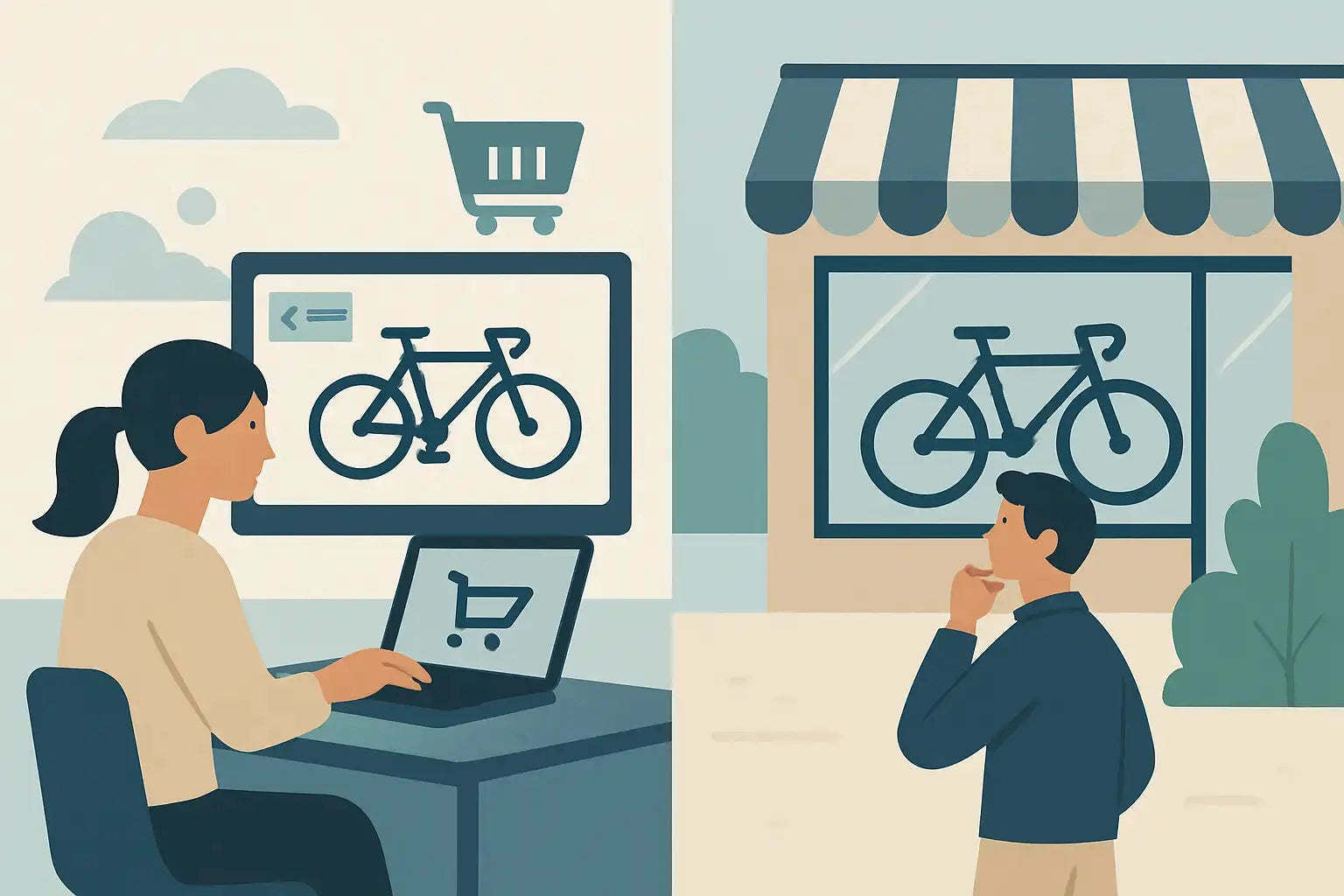
There is a trade-off. Online typically gives you wider choice and faster comparison shopping. A physical shop gives you immediate fit checks and the ability to talk through options in person. The strongest set-up is when an online store is backed by a real workshop and proper service standards, because problems do not end at checkout - they begin when you start riding.
Start with your riding style, not the frame material
Most buying mistakes happen because people pick a bike based on one feature (usually carbon, or a certain groupset) instead of the riding they actually do. Begin with how and where you will ride, then work backwards.
A commuter who rides to work and shops at the weekend needs practicality: stable handling, gearing that copes with stop-start traffic, and easy maintenance. A performance rider chasing speed needs efficient geometry, a drivetrain that shifts under load, and wheels and tyres that match their roads.
In an online bike shop, the quickest path to the right shortlist is category clarity. You should be able to filter cleanly into:
- Road bikes for fast tarmac riding and fitness
- Gravel bikes for mixed surfaces and long, steady miles
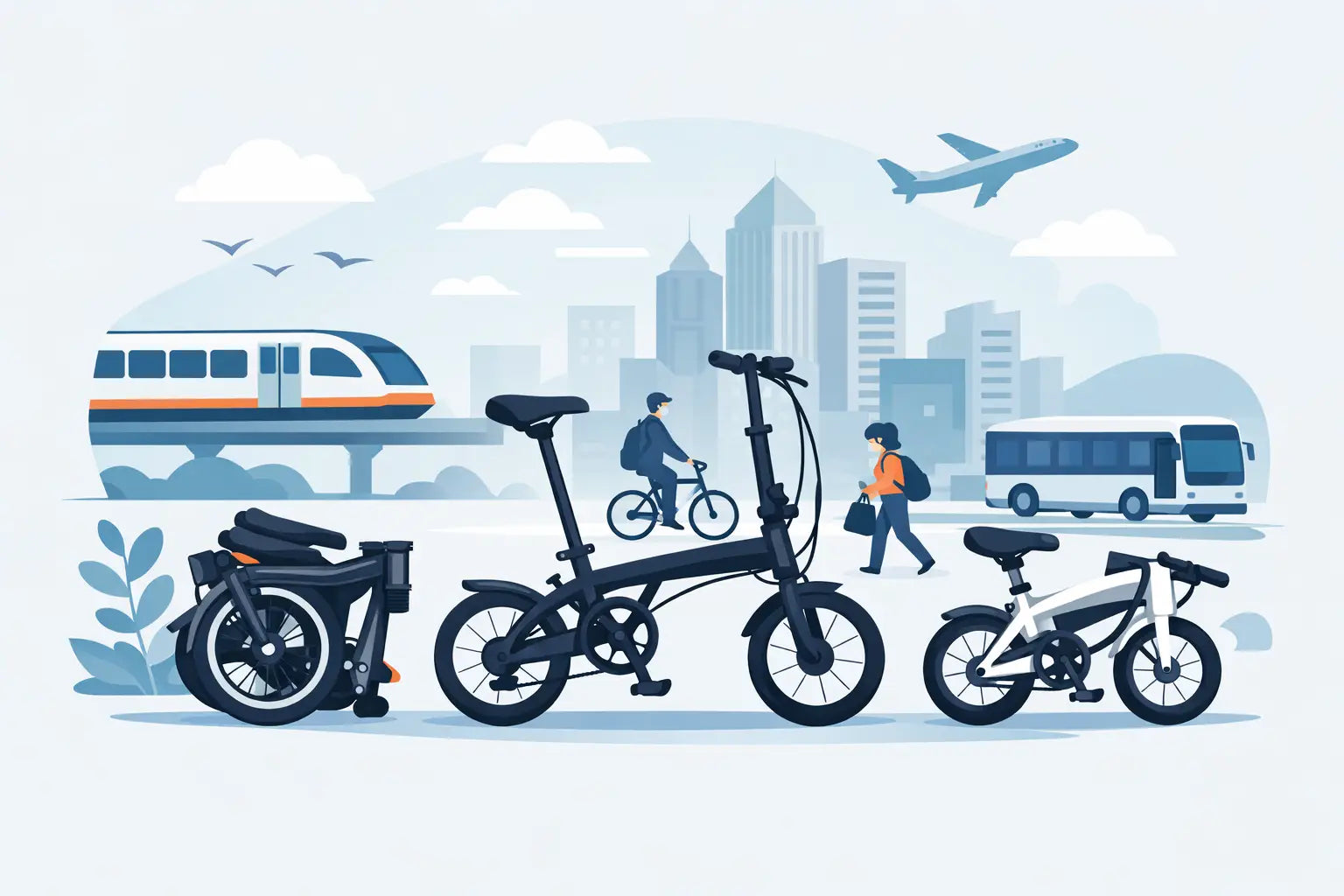
- Foldable bikes for storage, public transport and compact living
- Mountain bikes for trails, control and tougher terrain
- Hybrid bikes for versatile, upright comfort
Sizing and fit: the part you cannot afford to guess
Sizing is where online buying can go brilliant or go wrong. Charts are useful, but they are not a guarantee because fit depends on more than height. Your proportions, flexibility and riding goals change what feels right.
A trustworthy shop will ask for your height and inseam at minimum, then advise a size range and what to do if you sit between sizes. The honest answer is: it depends.
If you prioritise comfort and stability, slightly smaller with a taller stem or more spacers can work. If you want a stretched, fast position, a longer reach may suit - but you need the core strength and mobility to hold it. With foldables, “fit” is less about frame size and more about cockpit adjustability and how the bike handles at your preferred pace.
If you are buying a first “proper” road or gravel bike, do not be shy about asking how the bike will be set up before it leaves the shop. Bar angle, saddle height and torque checks are not glamorous, but they are the difference between a smooth first ride and a sore one.
Reading specs without getting lost in the weeds
Online listings can overwhelm you with acronyms. Focus on the handful of specifications that affect your ride immediately.
Drivetrain and shifting
Shimano is a common benchmark because the ranges are familiar and easy to service. For road, Shimano 105 is often the sweet spot for reliability and value. For gravel, GRX is designed with rougher use in mind. Higher tiers can be lighter and sharper, but the upgrade is not always felt unless the rest of the bike is equally well chosen.
If you are comparing bikes that appear close in price, look for hidden differences: crank quality, cassette range, hydraulic versus mechanical braking, and whether the bike is designed for future upgrades.
Tyres and contact points
Tyres change how a bike feels more than most people realise. Brands like Schwalbe and Continental have well-earned reputations because they balance grip, puncture protection and rolling speed. The tyre width matters too: wider can be faster on rougher roads because you can run lower pressure and lose less energy to vibration.
Also check the practical bits: saddle comfort, bar width, and whether the bike includes pedals. These details are often glossed over, but they affect your first week of riding.
Frame and fork material
Carbon can be light and responsive. Aluminium can be excellent value and plenty quick. Steel can be comfortable and durable. None is automatically “best”. If you are riding in mixed weather and leaving the bike locked outside regularly, durability and theft risk may matter more than saving 800 grams.
If you want a carbon bike, the online shop should clearly state the frame’s intended use, warranty terms, and how it is protected in shipping.
The online buying checklist that saves you money later
An online bike shop can look polished and still be frustrating after checkout. Before you buy, look for evidence of how the shop behaves when something is not perfect.
First, check whether the product pages state exact component models. “Shimano brakes” is vague. “Shimano hydraulic disc brakes” is better. A full listing is best, especially on performance bikes.
Second, read the returns and warranty process carefully. Bikes are big purchases. You want to know what happens if the size is wrong, if the bike arrives with transit damage, or if a component fails early.
Third, look for service support. Even if you are competent with tools, you will eventually want a workshop for a proper tune, brake bleed, bearing service, or wheel truing. Buying from a shop that can service what it sells reduces downtime and finger-pointing.
Finally, be realistic about shipping timelines. If you need the bike for a planned event, you want dispatch dates, not wishful estimates. Fast delivery is great. Accurate delivery is better.
When an online bike shop beats a walk-in purchase
Online wins when you already know your category and budget and you want a clean comparison across models. It is also ideal when you want access to a wider selection than a single showroom can hold, especially for specific niches like foldables or gravel builds.
Online can also be the smarter choice if you value transparent pricing. Many riders simply want to see the number, see what is included, and make a decision without a long sales conversation.
The drawback is obvious: you cannot test ride. The way to balance that is to choose a shop that provides strong fit guidance and a real after-sales pathway, not just a parcel and a good luck message.
Foldables, commuters, and performance bikes: what changes online
Foldable bikes are often bought for practical reasons - storage, transport, and convenience. Brands like Dahon and Tern have loyal followings because they refine the details that matter: folding speed, hinge solidity, and ride stability. Online, you should look for clear information on folded dimensions, weight, and what upgrades are compatible. If you plan to add parts like LitePro upgrades, it helps if the shop understands common fitment questions.
Road and gravel buyers tend to be more spec-driven. You might be deciding between Shimano 105 and a gravel-focused GRX build, or comparing wheel and tyre clearance for future changes. Here, a good online shop should make it easy to confirm the boring but crucial facts: maximum tyre width, gearing range, and whether the wheels are tubeless-ready.
Mountain and hybrid buyers are often balancing comfort with durability. Suspension specs, brake type, and tyre choice matter more than chasing the lightest frame. Online listings should be clear about travel, wheel size, and intended terrain.
What “ready to ride” should mean
Some online stores ship bikes in a box with minimal preparation. Others ship after a proper build and safety check. The difference affects everything: bolt torque, brake alignment, shifting quality, and whether the wheels are seated correctly.
If the shop claims the bike is pre-assembled, it should say what you still need to do at home. Common final steps include straightening the handlebars, fitting the front wheel, installing pedals, and setting saddle height. If you are not comfortable doing those tasks, it is worth choosing a retailer with workshop support.
This is where a brand like Gcycle is positioned to help: an e-commerce storefront backed by a physical shop and servicing capability, with curated bikes across road, gravel, foldable, mountain and hybrid categories, plus familiar parts like Shimano components and tyres from Schwalbe and Continental. For many riders, that combination reduces the risk of buying online because the relationship does not end when the delivery arrives.
Spend for your next year of riding, not just the day you buy
It is easy to spend the entire budget on the bike and ignore what makes the bike work for you. A helmet that fits properly, lights you trust, a lock appropriate for where you park, and the right tyre pressure habits will change your experience more than another tier of groupset.
The smart approach is to buy the bike that matches your riding, then leave room for the upgrades you will actually feel: contact points that fit, tyres that suit your roads, and servicing that keeps everything running quietly. If you are chasing speed, consistent maintenance is often the cheapest performance gain you can buy.
Choose an online bike shop that respects that reality. The right retailer will help you buy with confidence, set the bike up properly, and keep it riding well long after the first click - because the real goal is not to own a bike, it is to ride more often and enjoy it every time you roll out.